

Why F1 Teams Test Old Cars: The Role of TPC in Formula 1 Development

Why Would an F1 Team Want to Test an Old Car?
For the first time since they joined Formula 1 in 2016, Haas will run a "Testing Previous Cars" (TPC) program this year. Their first outing is scheduled to take place in Spain later this week. This marks a significant milestone for the team, highlighting that they now have the budget to undertake additional on-track activities beyond regular racing and development. But why would an F1 team want to test older cars, and how does the process work?
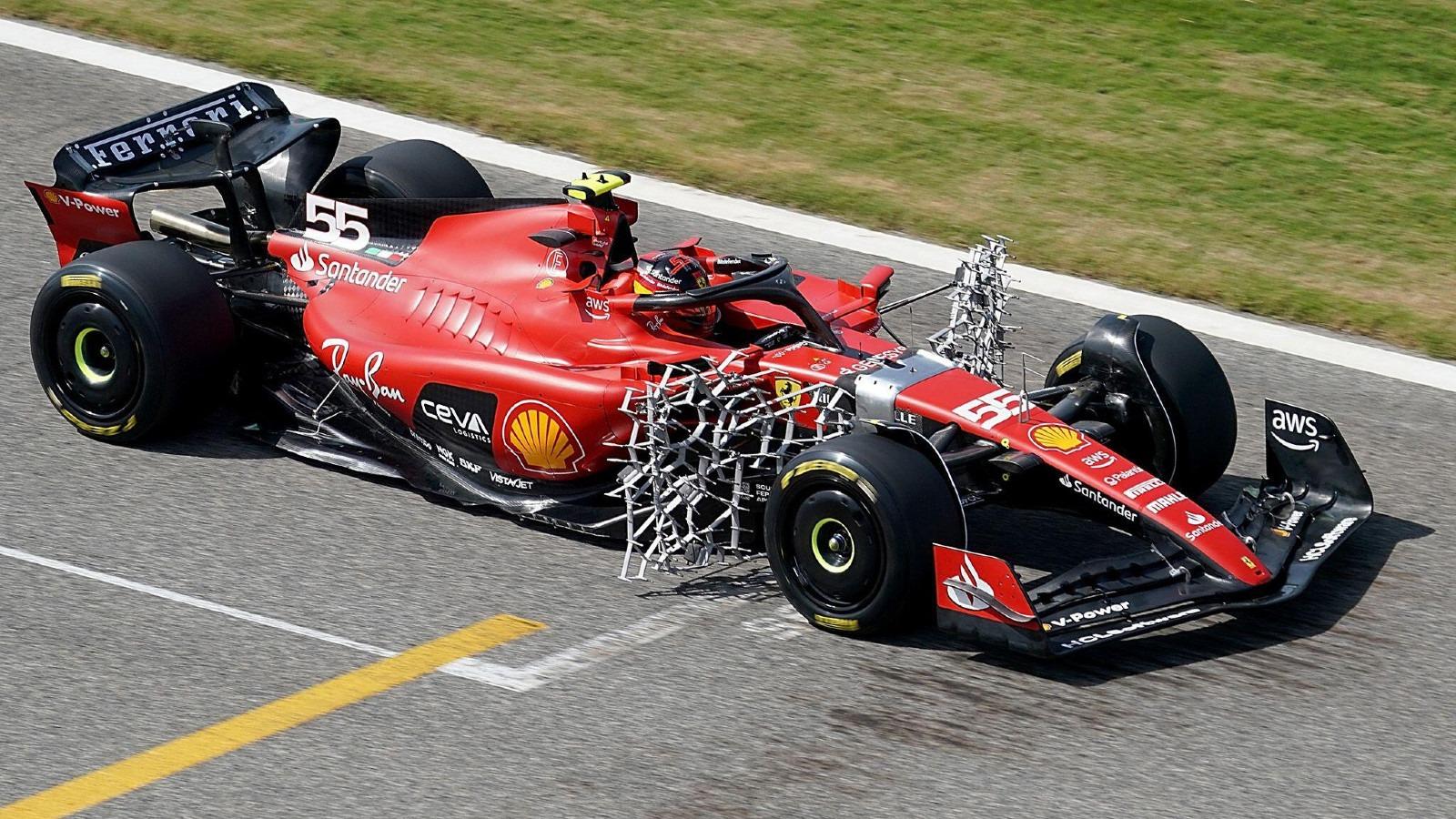
What Are TPC Regulations?
Under Formula 1's TPC regulations, teams are permitted to run cars that are at least two years old, provided they were built for championships held within the three years prior to the previous season. For 2025, this means cars built for the 2021, 2022, and 2023 seasons can be used for testing purposes.
The primary goal of these tests is to give rookies valuable experience in F1 machinery or to help drivers who have recently joined a team integrate and familiarize themselves with their new environment. However, there has been speculation about whether TPC sessions could be used to aid in the development of current cars.
Limitations on TPC for Development
Teams are prohibited from running new parts during TPC sessions and must use special Pirelli tires designed for these tests. This limits the usefulness of such tests for direct development of current cars. Nevertheless, TPC sessions still provide teams with data and operational experience that could indirectly benefit their programs.
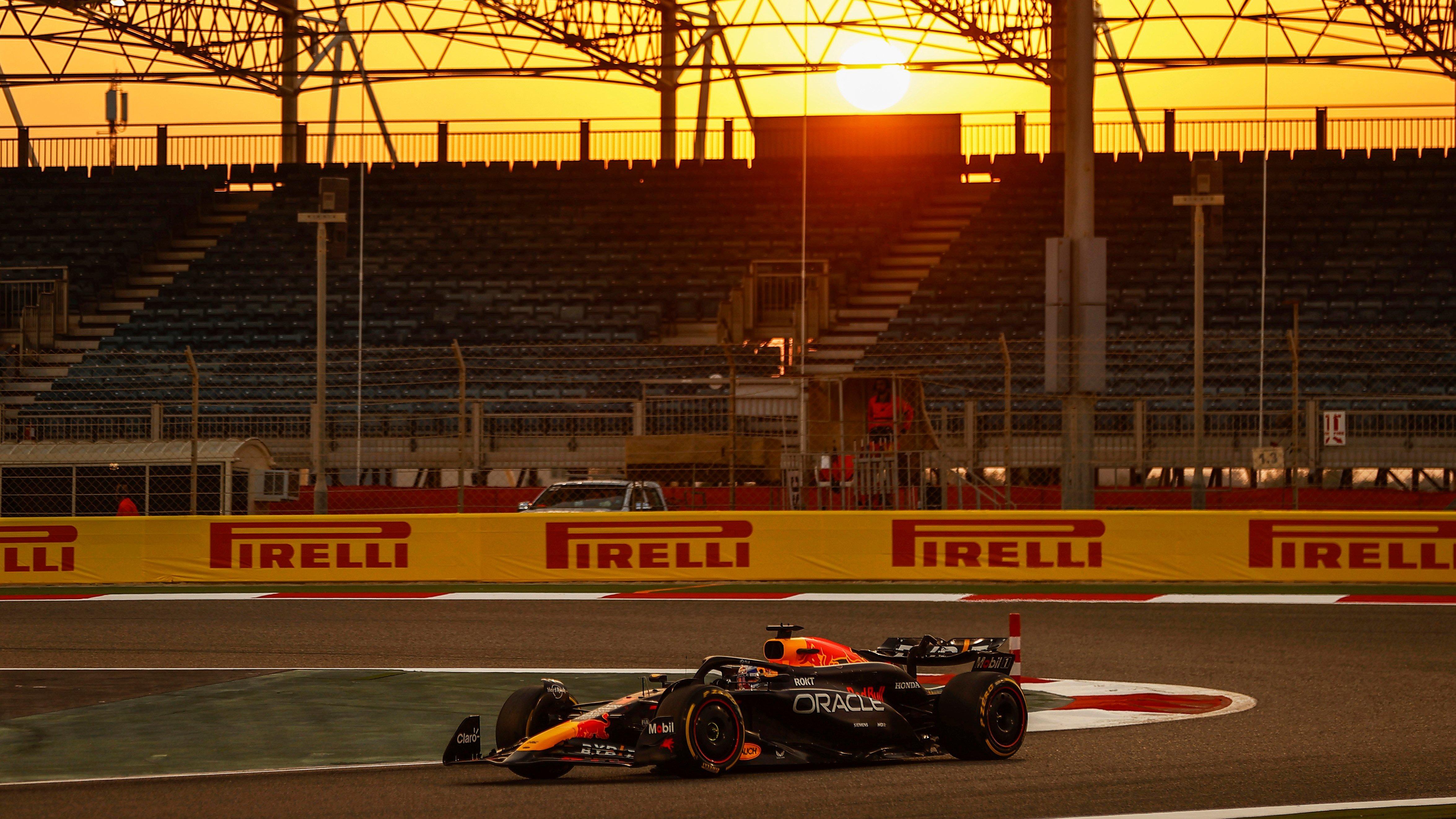
To maintain fairness and uphold the purpose of TPC, new regulations introduced for 2025 have restricted the amount of TPC activity teams can perform. Each team is now allowed a maximum of 20 days of TPC per year, with current drivers only permitted to complete 1,000 kilometers over four days. The remainder of the testing allowance is reserved for other drivers, ensuring the focus remains on giving inexperienced talent valuable track time.
Why Is TPC Significant for Haas?
For Haas, running a TPC program represents a major step forward. It not only reflects the team’s growing financial stability but also demonstrates their commitment to developing talent for the future. These tests offer Haas an opportunity to strengthen their organization, refine their processes, and scout for rising stars in motorsport.
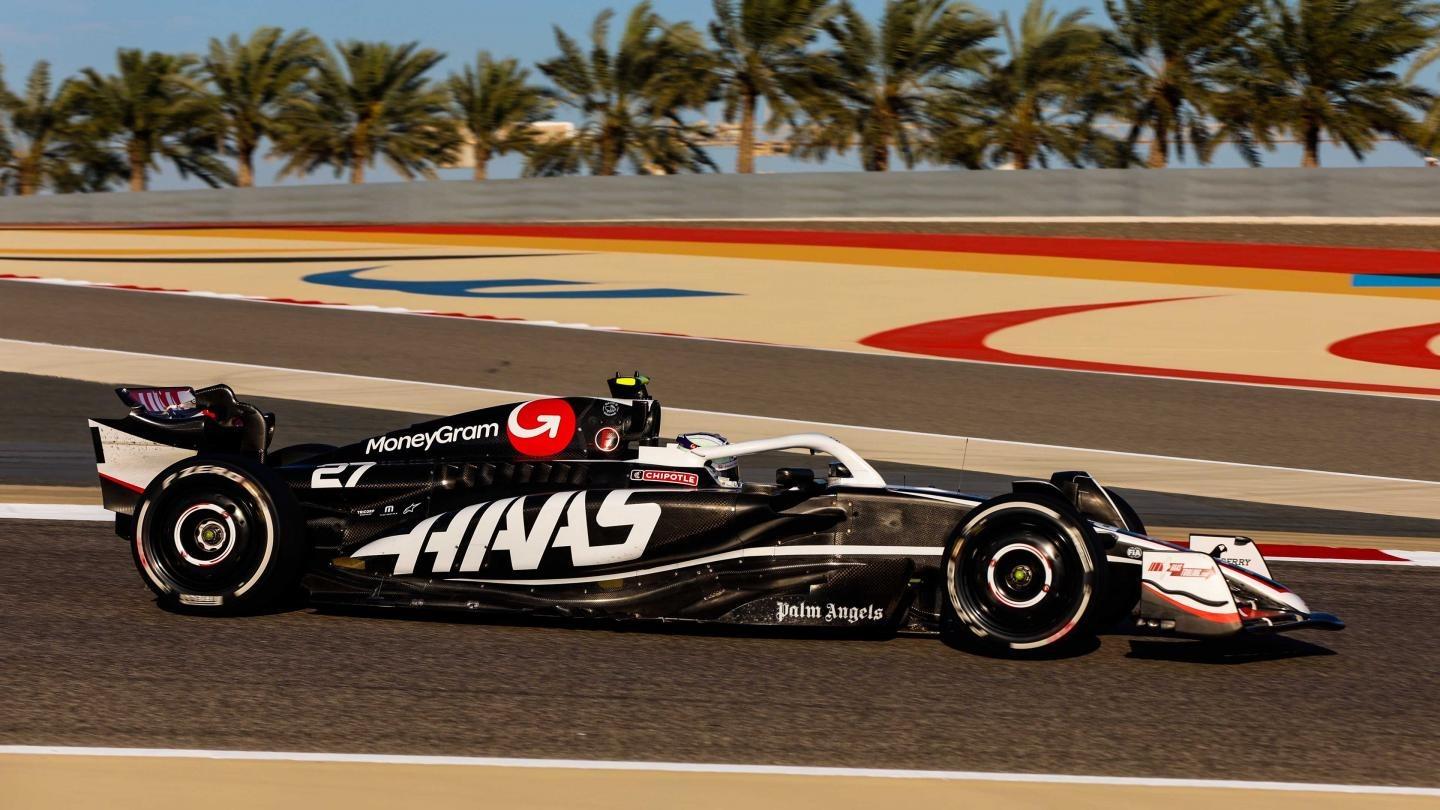
In a sport as competitive as Formula 1, even the smallest advantage can make a difference. For a team like Haas, building a robust TPC program could be a key factor in shaping their future success.
 French
 English
 Arabic
 Spanish
 Portuguese
 Deutsch
 Turkish
 Dutch
Dutch
 Italiano
 Russian
 Romaian
 Portuguese (Brazil)
 Greek
Greek